


Humanitarian · Futurist · Pioneer
FROM MORE DATA TO BETTER UNDERSTANDING
The Precision Medicine Project brings together CLIA, hospital AI, practitioner education, medical research and Human-First Digital Twins to support earlier insight, more personalised decisions and more humane care.
PRECISION · POSSIBILITY · HUMANITY
clinical intelligence for practitioners
a prevention-first model of health
the patient story across fragmented data
THE REFRAME
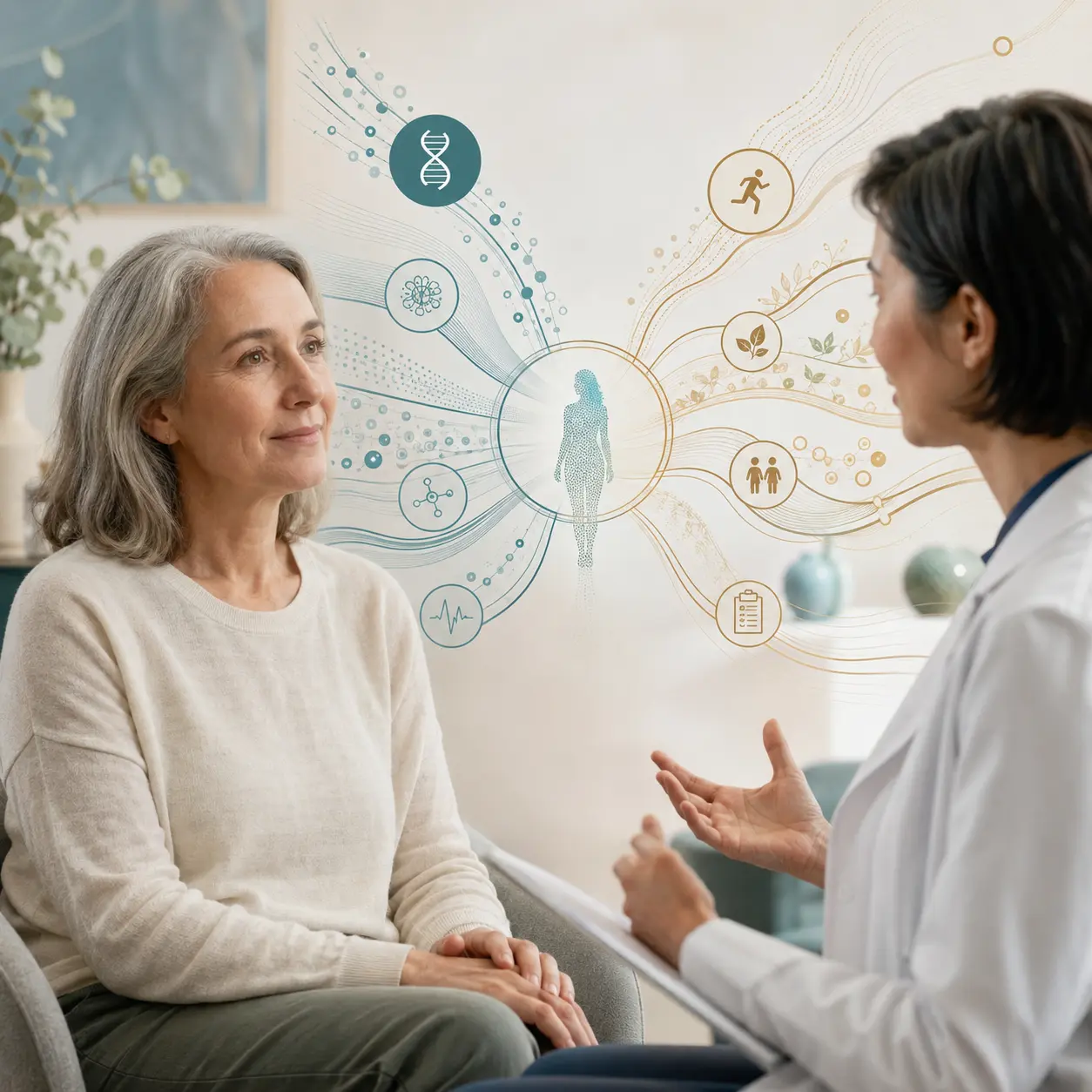
Laboratory results, scans, genetics, symptoms, medications, lifestyle and history can exist in separate files and separate minds. Clinical intelligence should reduce that fragmentation without removing the clinician from the decision.
THE WORK IN PRACTICE
Each component serves a different point in care, while sharing one commitment to human-in-the-loop intelligence and appropriate clinical governance.
01
An AI clinical co-pilot for synthesising labs, scans, genetics, biometrics and records into clearer patterns and practitioner-ready insight.
02
An end-to-end model spanning digital triage, diagnostics, intervention planning, inpatient support, discharge and continuity.
03
Education, accreditation pathways and a global practitioner community for responsible precision health adoption.
04
University and institutional collaboration designed to study individuals more precisely and improve the relevance of outcomes beyond population averages.
05
A patient-facing intelligence layer that can extend personalised understanding into daily choices and between-care moments.
06
Collaboration with health leaders and governments on prevention, interoperability, ethics, workforce relief and responsible AI governance.
Precision Medicine Project
A WIDER LENS
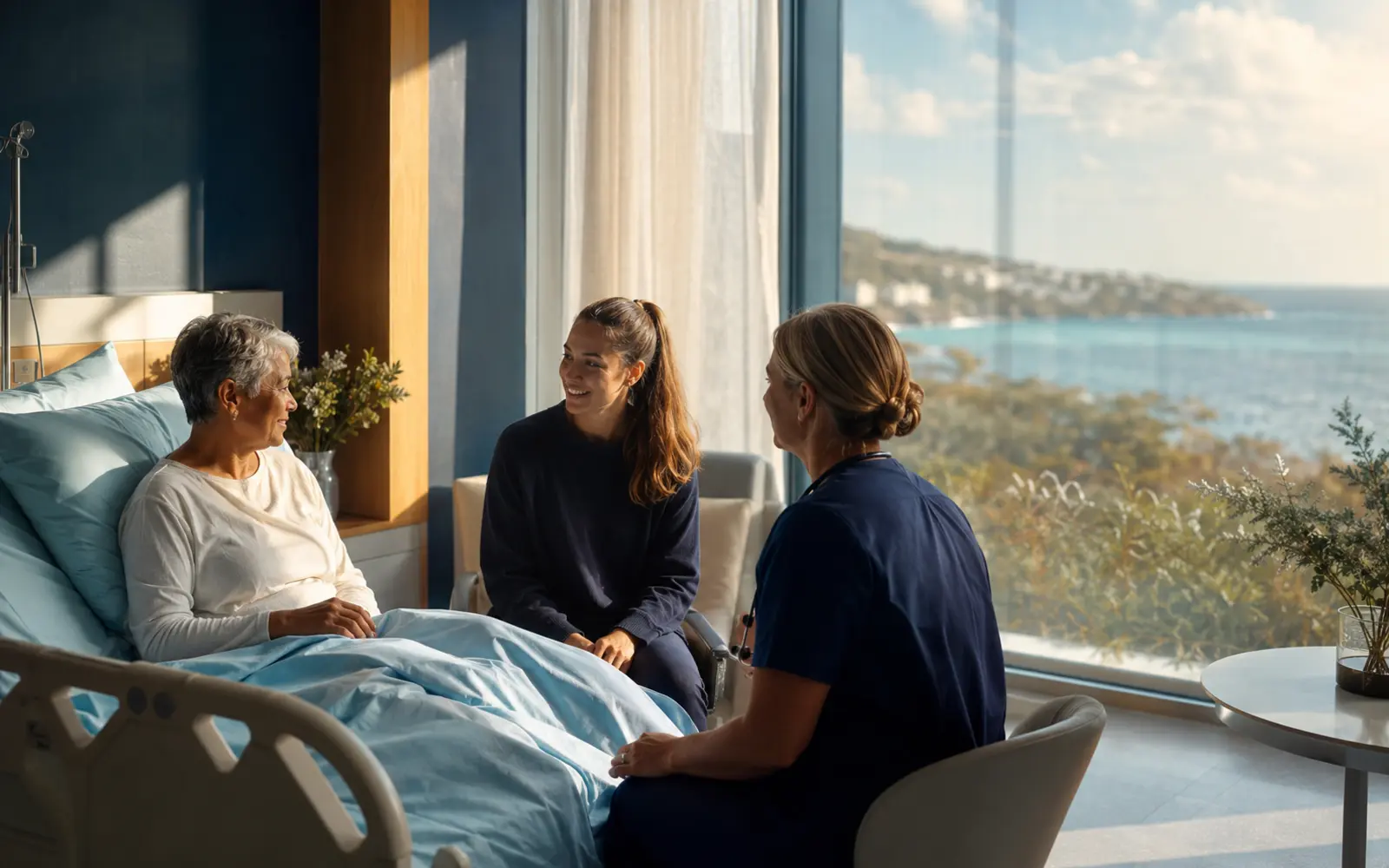
The promise of medical AI is not that a machine becomes the doctor. It is that doctors recover time and cognitive capacity for the parts of medicine that require human judgment, trust and care.
Every implementation should be governed by safety, evidence, privacy, transparency, clinician oversight and clear boundaries between education, decision support and diagnosis.
“
Precision medicine is not more complexity for the clinician. It is complexity organised into clarity around the patient.
Prof Matt Riemann
THE NEXT POSSIBILITY
The project invites hospitals, universities, practitioners, governments, funders and research partners into responsible real-world implementation.
All clinical AI described here is intended to support—not replace—qualified health professionals, clinical governance and local regulatory requirements.